
Teamwork - Memories of the past and some lessons learned the hard way
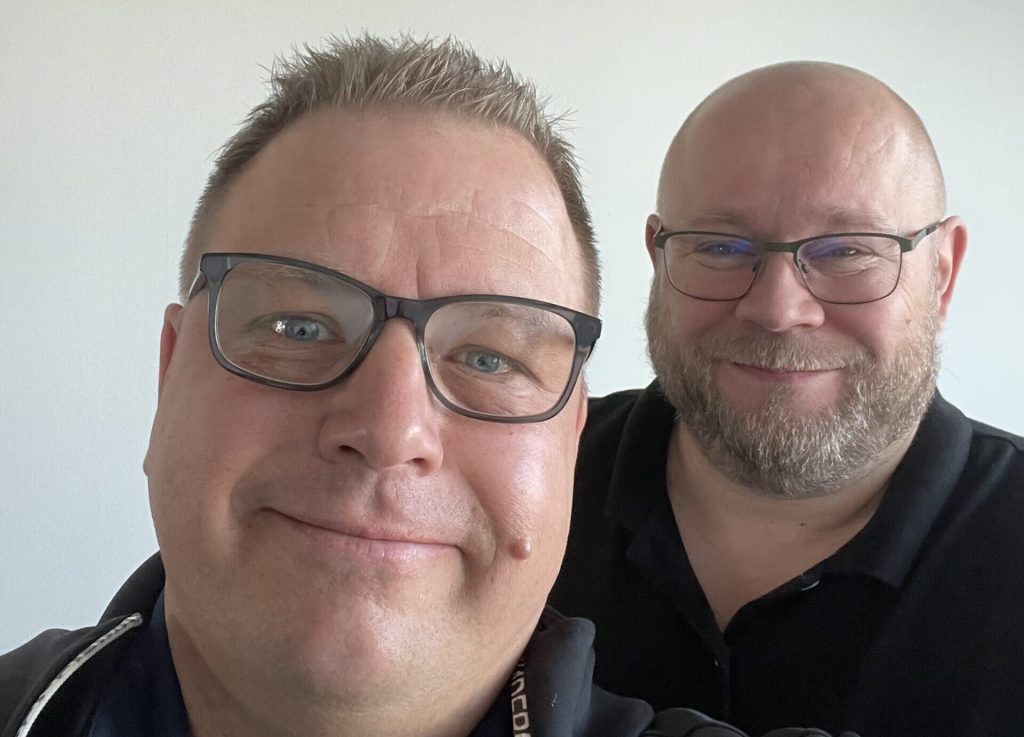
”When I started my job as a manager years ago, I was quite ****head. I had the idea, the vision and will, but I couldn't really share it with others”, Kole said to James on that cold November morning.
Jaakko recalled that when he suddenly became an agent at the age of 35, he had no coaches or pre-personal coaching to support him, even though his team consisted of almost thirty top experts. ”Fortunately, I was so busy that I didn't have time to overthink the situation to the point of breaking”, describes Jaakko.
It was an amazing time for both of us young leaders, but have we learned anything on the journey since? Well, something has stuck in both our lives and we thought we'd sum up a few key things for you readers.
1. Open communication:
Encourage team members to share their thoughts, ideas and concerns openly. Open communication builds trust and helps solve problems quickly.
2. Clear objectives:
Make sure the team has clear and agreed objectives. This will help everyone understand what they are trying to achieve and how to get there.
3. Clarity of roles and responsibilities:
The roles and responsibilities of each team member should be clearly defined. This will reduce confusion and help the team run smoothly.
4. Supporting cooperation:
Create an environment where collaboration is easy and encouraged. This could mean providing shared tools and facilities or creating practices that support teamwork.
5. A positive working atmosphere:
A good working atmosphere promotes teamwork. As a leader, your job is to create and maintain a positive atmosphere in which to work.
6. Psychological safety:
Psychological safety is important to give team members the courage to take risks and come up with new ideas. A sense of security comes from a predictable and fair environment.
What is psychological safety?
Jaakko recalled his youth as a leader and said. “nothing was said about that at all”. ”I probably should have...”, Kole recalled the early years of his own congestion, when there was a lot of pressure in all directions and he himself was adding to that pressure with his own insistence. At its worst, it even led to panic attacks, when the feeling of control over everything was not 100 %.
What does it lead to, if there is no psychological safety in the team at all? It leads to competition between team members, fear, risk avoidance and silence. Even tears. The feedback people get is filtered.
Creating psychological safety is important for a team to function effectively and productively. Here are some key principles to help create psychological safety:
A predictable and fair environment:
A sense of security is created when the environment is predictable and fair. This means that operating within the norms of the group is predictable and safe.
High standards and safety:
High standards require psychological security. Without security, high standards can create anxiety, but with security comes high performance and productivity.
Relevance and motivation:
Safety is created when everyone can work from their own sense of purpose and driven by their own motivations.
So what happened to the men in the end?
Everything went well with Jako because he was himself and I didn't over-analyse the situation. At the end of the day, it's about respecting people and being on the same level. Giving each other space and respect. Later on, of course, I have had experience of the other extreme. 😊
And how is Kole? Still looking for himself, but hasn't had a panic attack in ten years... 😊
A pinch of each as sources: Timothy Clark, your own experiences, Simon Sinek and Patrick Lencioni and a total of more than 100 years of travel around the globe, combined with inspiration from the great work of other MTTC coaches. from blog posts on.