
Developing culture is a conscious effort to ensure that the values, beliefs and practices that are visible in the day-to-day life of an organisation support its strategy and objectives. It means shaping structures, leadership and interactions so that desired behaviours are reinforced and undesired ones are discouraged.
Organisational culture is an elusive entity because it is not a tangible, tangible thing - and yet it is an extremely real force that guides and defines people's actions and thinking in many ways. It has a major impact on the ability of individuals and communities to implement their decisions, goals and visions.
One of the most interesting descriptions of what organizational culture is is given by the following idea: ”Recruit a new person to your company, and don't introduce them at all. The culture of your organization is what he or she will be doing in a few months.” Of course, this practice should not be adopted as such, but it guides us to understand the impact of culture - it guides our actions in a way that we cannot fully articulate even for ourselves. The interesting question, of course, is whether induction would change the end result in any way? Can it be argued that induction would be such a powerful influence that it would overcome culture? However, it is more likely that what is learned in induction - for example, that a safety helmet is always worn - will be lost if the culture does things differently - otherwise, you wear a helmet, but it is such a short walk from your workstation to the coffee break on the side of the factory that you don't have time to wear a helmet for that stretch, you just carry it in your hand. In your own experience, which does the new employee follow, the rule or the policy, when they're in a team?
Executive capacity is the ability to put decisions into practice, see things through to completion, implement plans and achieve objectives. Culture plays a critical role in building or limiting executive capacity. It sets guidelines and limits to what is considered acceptable and possible. Cultural norms, values, beliefs and practices influence how people perceive the world and how they act in different situations. Does your organisation have an enthusiasm and desire to evolve and experiment, a safety-oriented and reassuring culture, or perhaps a culture of debate that either improves decisions or prevents them altogether?
The impact of culture extends to management and the way organisations operate. Organisational culture - the way an organisation thinks, acts and communicates - can play a crucial role in executive performance. If an organisation's culture encourages openness, innovation and collaboration, it can create fertile ground for effective action. On the other hand, if the culture is rigid, resistant to change or encourages only a certain way of doing things, it may limit the organisation's ability to adapt to new challenges and opportunities.
We help our clients to identify the cultural traits that either drive the organisation forward or act as a brake.
We can identify strengths and weaknesses in the culture, and by identifying the current state, we help our clients to think about what are the roots of the current culture and what can be done to improve it.
Examples of situations where we can help:
decisions are made about how to deal with problems and what kind of behaviour is allowed and reinforced in everyday life. Shaping culture means consciously managing these factors.
In many organisations, culture is largely left to develop on its own. Values are defined, but they do not guide action. The desired culture and the real world live side by side without a clear link. In such cases, culture often begins to drive action more than strategy.
A consciously shaped culture supports the achievement of objectives. An unformulated culture makes them more burdensome.
What does cultural design mean in practice?
Culture design answers the questions:
Culture is not primarily reflected in declarations, but in small everyday choices. In what is addressed, what is ignored and who is rewarded.
A well-designed culture makes it easy to take the desired action. A badly designed culture makes it difficult.

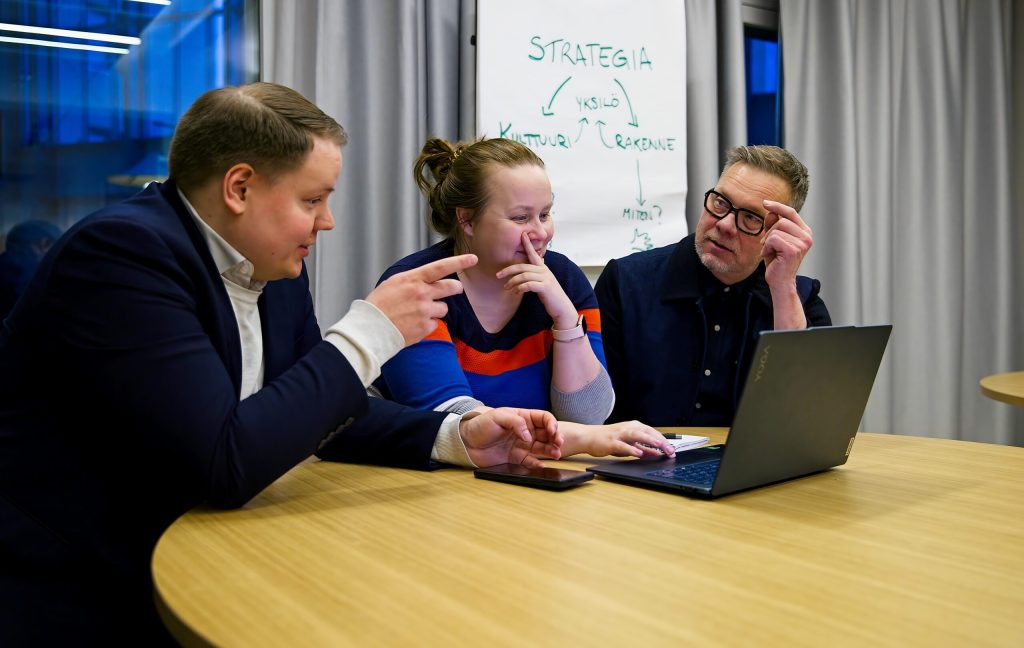
In our work with clients, we often encounter the following situations:
In these situations, the culture evolves randomly and often starts to resist change.
More Than Group helps organisations make culture visible, understandable and manageable. Our work is not about refining value propositions, but about changing the way people do things every day.

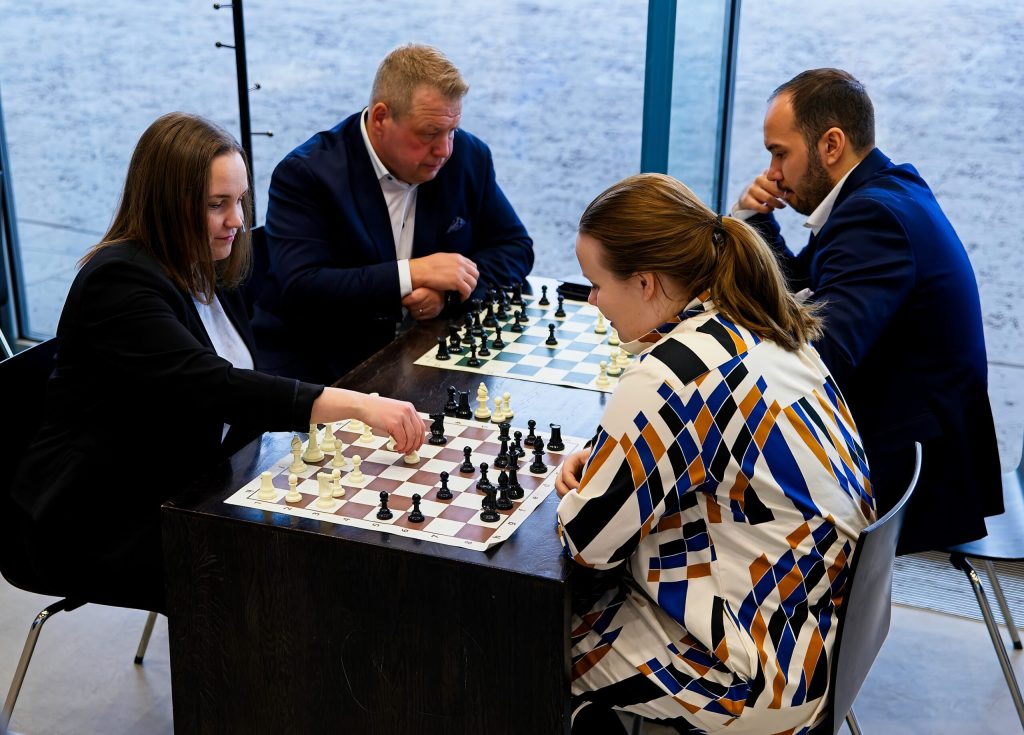
Culture cannot be outsourced to communications or HR. It takes shape in every management decision and every day-to-day encounter. Therefore, shaping culture is first and foremost a management task.
More Than Group helps organisations build a culture that supports performance, learning and renewal. A culture that is reflected in everyday choices.
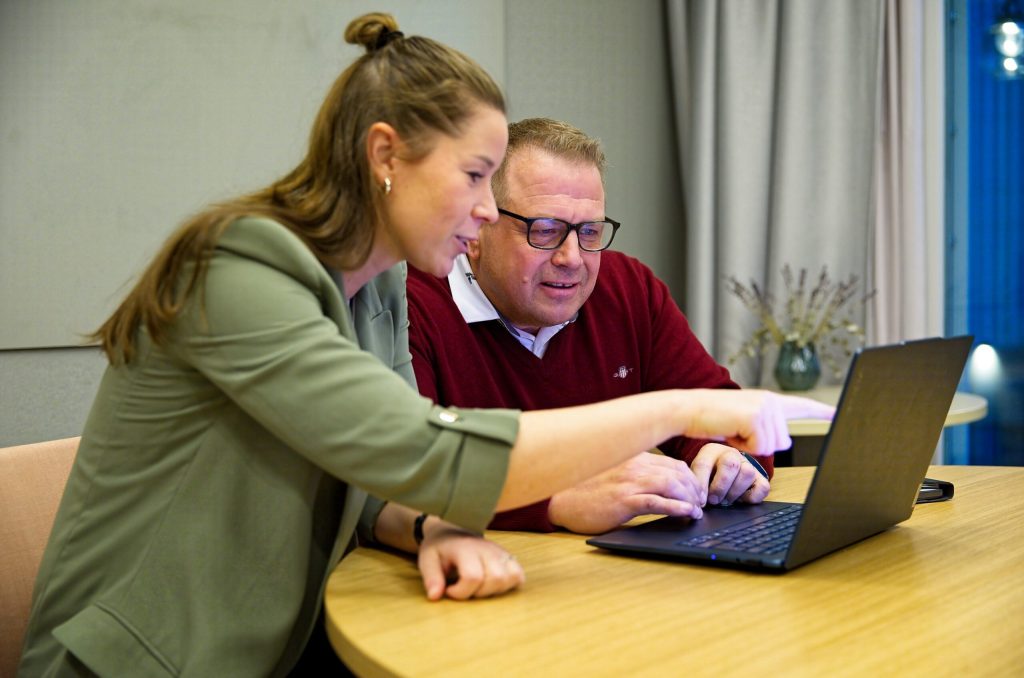
How are changes designed and implemented so that they become part of everyday life?

How do your behaviour, policies and climate support your goals, even under pressure?
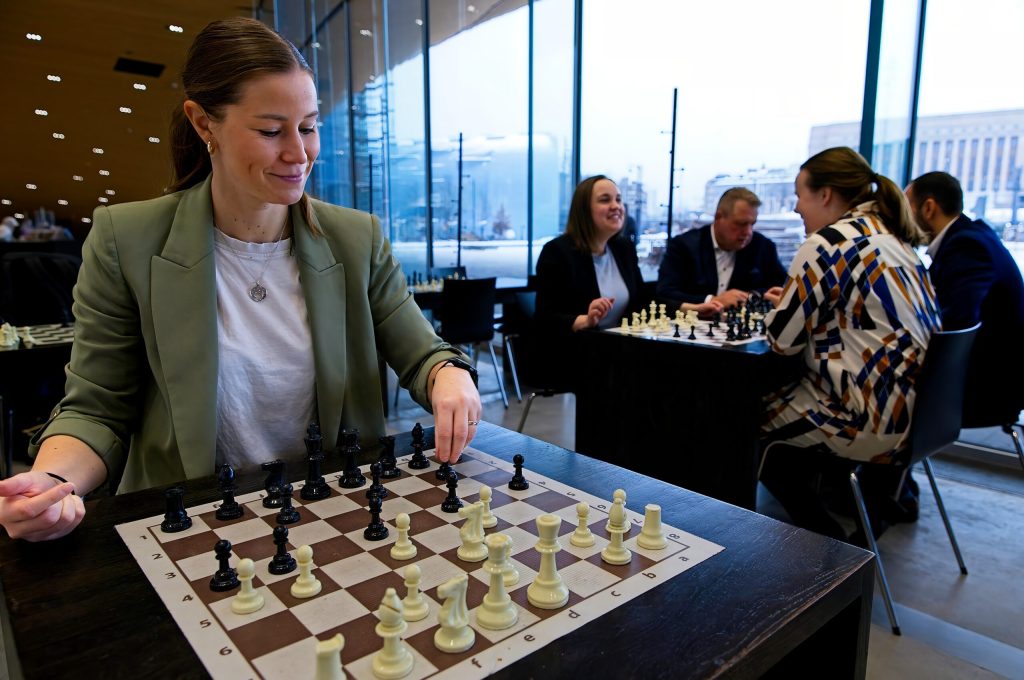
How are current and future competences linked to the organisation's objectives and translated into better ways of doing things?
How do objectives, responsibilities, rhythm and monitoring form a whole that enables systematic progress?
Käytämme evästeitä sivuston käyttökokemuksen parantamiseksi. Tietoja tietojesi käytöstä löydät tietosuojaselosteestamme.
Toiminnallisia evästeitä käytetään sivuston toimintojen toimivuuden varmistamiseksi, sekä käyttökokemuksen kehittämiseksi.
Keräämme tilastotietoja sivuston käytöstä sivuston kehittämistä varten. Tietoihin kuuluvat mm. kävijämäärät ja vierailun kesto. Yksittäisiä käyttäjiä ei voida tunnistaa evästeiden perusteella.
Markkinointievästeet mahdollistavat mainosten näyttämisen muilla verkkosivuilla sivustovierailujesi perusteella.