Performance secret: The boring routines of everyday life make more difference than any one day of strategy
If you've ever trained for a race, you know this: in the big moments, it's not what you do when you're in a good flow that counts, it's what you do when you're in a good flow. not in the slightest bit interested. Every athlete understands that the championship is decided on November mornings when the training ground is wet, the coach shouts “one more round” and I feel like suggesting something completely different.
Working life strategy work is a similar fallacy as in sport: we think that big moments change everything. That race day will decide. That a day of strategy will turn the tide.
But the truth is mundane and a bit harsh: systematic making decides. The boring, tired, unmotivated repetitions that no one posts about on Linkkar. The strategy does not fall on the targets, but on the fact that they are not supported by everyday life.
The paradox of boredom - why is it the hardest part that counts?
In sport, the term “base fitness period” is used. It's not glamorous. Nobody shoots highlight videos of it anywhere. It's about running basic runs for dozens of hours, honing your stride and doing muscle-training circuits that feel mostly endless. And yet everyone knows: skipping this stage means you can't keep up with the race season.
In working life, the paradox of boredom works in exactly the same way. Our brains love quick rewards. That's why we like to make big starts: new projects, a new strategy, a new process. But the systematic daily routine of making small steps towards the same goal is the hardest for humans.
It does not produce dopamine. It doesn't provide insights every day. It just... works.
The question is: Playing the long game or a momentary frenzy? Champion organisations play the long game, just like top athletes.
Where in the world of work is an athlete's attitude most needed?
Sales - cold calls are intervals in working life
For many sellers, cold calling is like interval training for an athlete: short, uncomfortable, breathless - and absolutely essential.
Few people wake up in the morning thinking: “Great, today I get to do 20 follow-ups!”But top salespeople think like athletes: you have to do it because it gets you closer to your goal, not because it feels good.
In sales teams with a clear rhythm: weekly calls, CRM discipline, common playbook -> the result is similar to a team that follows a training programme: the baseline is raised and successes are not left to chance.
Operational leadership - everyday “warm-ups” to prevent injuries
Every coach knows that injuries are most often caused when basic chemistry is compromised. After that, it's hard to be able to perform when you're underperforming.
The same happens in organisations. Updating reports, monitoring processes, going through mail, paying invoices. These are the warm-ups and technology drills of working life. They don't show up on the scoreboard, but if they are neglected, the game falls apart.
Organisations that respect the basics are like a coach who, week after week, can only do the same warm-up because it keeps the team fit all season long.
Frontline work - feedback is a video meeting with the coach
In sport, every team has feedback meetings, video clips and minor corrections. These are the routines where progress happens.
The same is true for chaperone work: small, repeated feedbacks build culture more than any “big conversation”.
If feedback is only given once a year, it's like a coach showing a video debriefing only at the end of the season. And that doesn't develop anyone.
This is how systematic making is built executiveas a fitness training programme
A good training programme is not complicated. It is clear, repetitive and measurable. An organisation's systematic approach is built on exactly the same elements. These are the three key things that make systematicity work:
1) A clear playbook - everyone needs to know what to do
In sport, the playbook tells you roles, movements and direction.
In an organisation, it means the same thing: what is done, who does it and what it aims to achieve.
Without a playbook, everyone applies their own variations and the rhythm is lost.
2) Agreed rhythm - repetitions are done at the same heart rate
A good team does not train randomly, but systematically: strength training on Monday, tactics on Tuesday, game on Thursday.
At work, it's the same: weekly check-ins, monthly meetings, a shared rhythm.
Rhythm makes action predictable and keeps direction together.
3) Shared accountability - no one can play their own game
In sport, a team wins or loses together. That's why repetitions are done, even if someone is more tired than others.
In an organisation, this means sticking to agreed practices. Not because management tells us to, but because it is part of a shared identity.
Accountability is the cultural glue that keeps systematics alive.
Five ways to increase your executive capacity - an everyday exercise programme
- 15 minutes of “power training” every day
Short, focused work is more stimulating than the occasional 3-hour sprint. - Week in two parts - practice + game
The first week is planned, the rest of the week is played. A clear rhythm keeps the focus together. - A common dashboard - a scoreboard to view
When progress is visible, it becomes a shared goal, not an individual project. - Small sparring sessions - “video feedback” within the team”
A small mistake is corrected immediately, not in a month. - Removing everyday obstacles - preventing injuries
The coach will not increase training if players are injured. Organizations have the same logic: removing obstacles makes it easier to do things.
Summary - Tolerating boredom is a strategic competitive advantage
On race day, everyone is motivated. On Strategy Day, everyone is inspired. But the championship is not decided on race day - it's decided on November mornings, when no one is looking and doing doesn't feel heroic.
The same happens in working life. Systematic doing is ultimately what distinguishes an organisation that Speaking at a strategy for an organisation that Implement Strategy.
Finally, a question for you, the readers: Where would your organisation like to see a return to basic training?
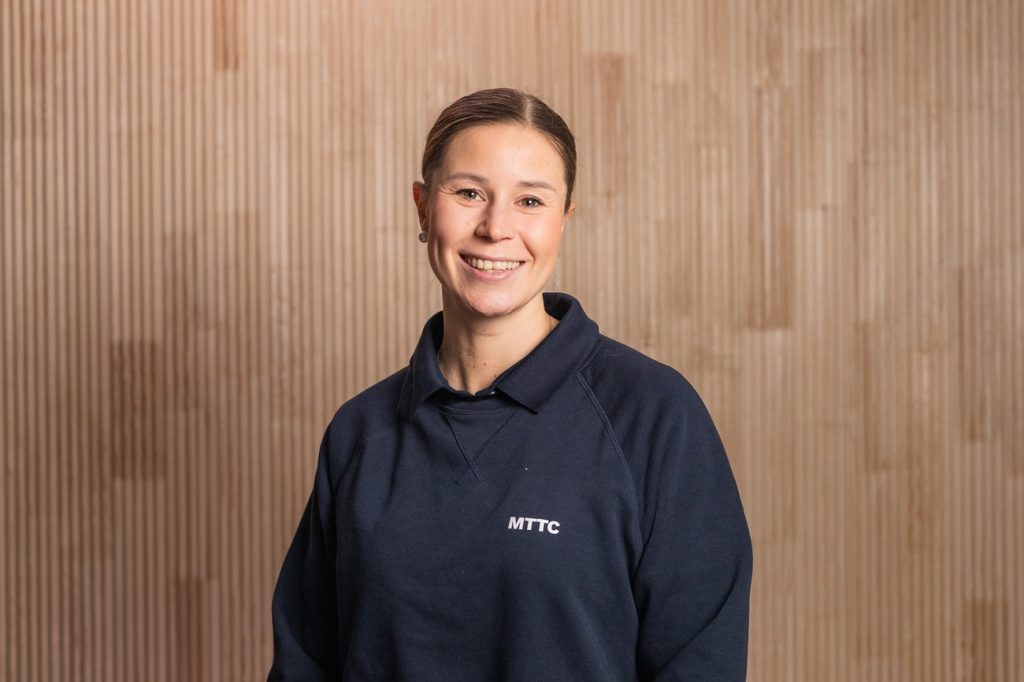
Written by a former athlete who has spent many, many November mornings in the basketball hall, just when it would have been nice to stay in bed for a while. Those practices allowed her to make history and become the first Finnish woman in the Euroleague.