
Sales is the heart of business and the engine of growth. Good sales require continuous development. We offer customised coaching to help your business grow sales and improve the customer experience.

To make sales a success, it is essential to understand and implement a range of key principles and strategies. These pillars include building and maintaining relationships with customers, having a deep understanding of the product or service, constantly monitoring and adapting to the market, effective communication and negotiation skills, and continuous learning and development.
Sales strategies include new customer acquisition, sales process management, customer relationship management, growth strategies, go-to-market strategies, new product and service launches, campaigns and tactical sales. In addition, inbound marketing support and active outbound activities such as prospecting are key to sales success.
Four basic challenges are often encountered in sales:
Every sales team needs to find ways to meet these challenges. Effective solutions include:
These solutions help sales teams meet challenges and improve their sales performance, which in turn leads to better results and stronger customer relationships.

Just as top athletes constantly practice basic skills to stay ahead of the competition, it is also important in the world of sales to keep up to date and constantly develop your skills.
Top sales require more than just individual star salespeople. It comes from a strong sales culture throughout the organisation. By systematically developing sales processes, materials and skills, we ensure that the potential of the entire sales team is unlocked. This creates the basis for sustainable growth and success.
Why sales coaching?
Sales coaching focuses on developing the skills and abilities of salespeople. Good sales coaching addresses many important areas:
Sales coaching helps salespeople to adapt to changing markets, identify new sales opportunities and develop long-term customer relationships.
Sales coaching is an investment that delivers significant value to your business. It not only strengthens the skills of salespeople, but also contributes to the sales culture and strategy of the organisation as a whole.
The company receives sales training:
These benefits make sales coaching an essential part of a successful business. It not only improves immediate sales results, but also strengthens the company's position in the marketplace in the long term.

Principles of sales management
Sales management is a complex task that combines process management and coaching people. It requires the ability to create and maintain a sales culture that reflects the company's values and objectives.
It is important to understand that when employees are rewarded effectively and managers act more as coaches, it can motivate the sales team significantly. This positive atmosphere is directly reflected in customer relations.
Sales management emphasises the personal coaching and development of individuals, helping each salesperson to reach their best potential.
What does sales management involve?
The responsibilities of the Sales Director include:
Good sales management requires understanding people, understanding meaning and emotion, and good communication.
A key role of sales management is to ensure that salespeople know:
We help our clients to manage their sales in a way that, in addition to common policies and objectives, salespeople are treated as individuals, work as a team, focus on the customer and look to the future.
Challenges and solutions in sales management
The challenges of sales management vary from company to company. Common challenges include a lack of coherent approaches, internal competition and failure to achieve targets. We offer solutions to these challenges by developing integrated sales processes, improving collaboration between teams, setting clear metrics and supporting the implementation of CRM systems.
Challenges where we help:

We are happy to discuss what the bottlenecks and challenges are in your sales and what solutions we could find together.
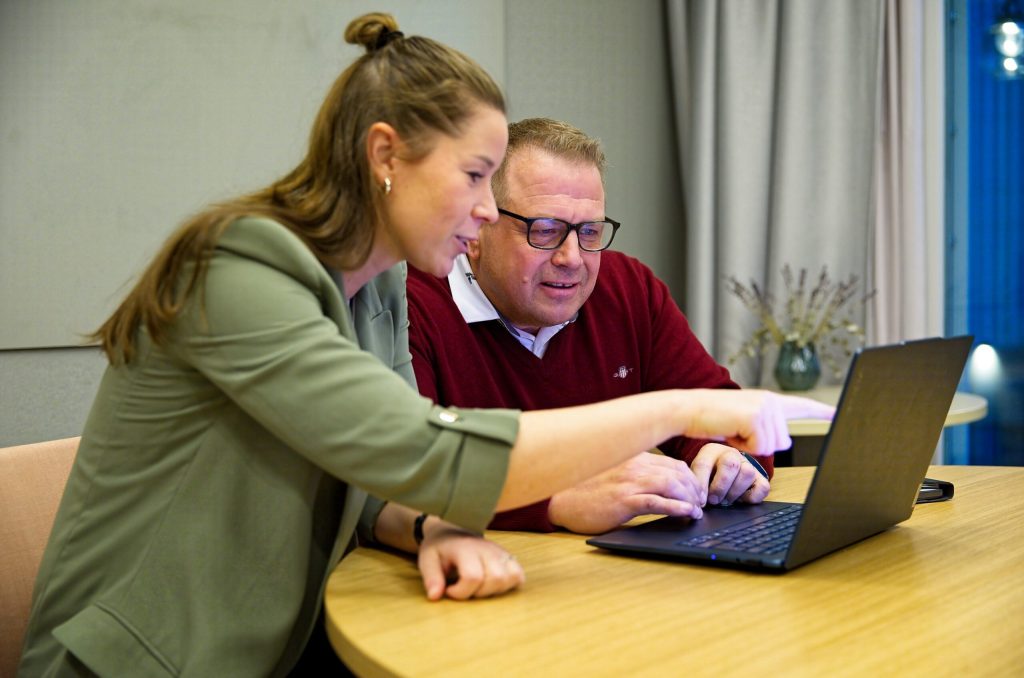
How are changes designed and implemented so that they become part of everyday life?

How do your behaviour, policies and climate support your goals, even under pressure?
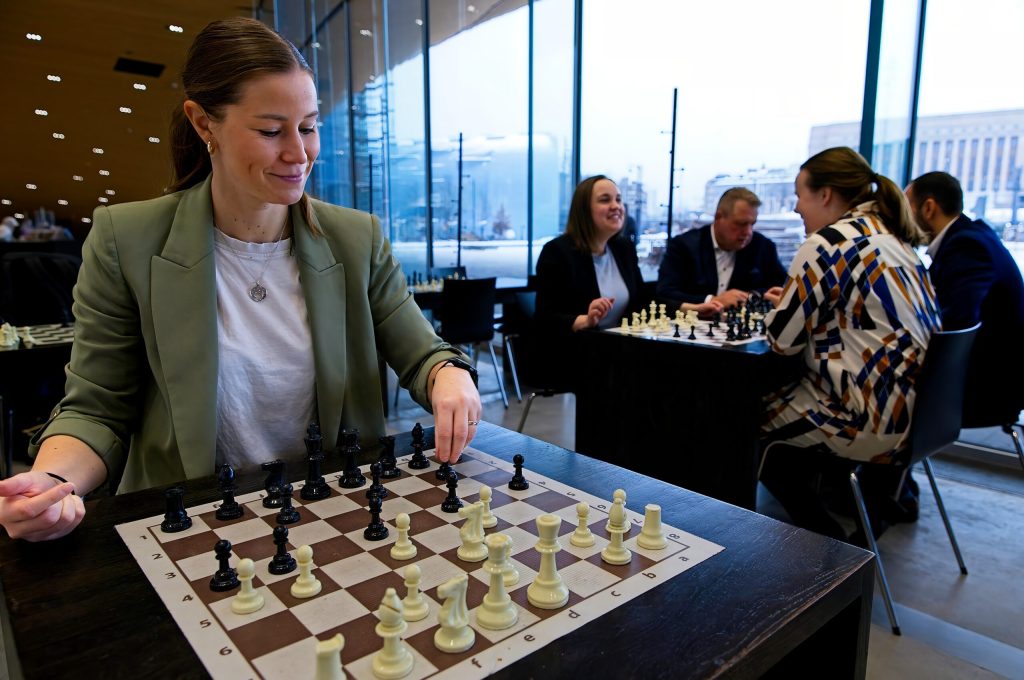
How are current and future competences linked to the organisation's objectives and translated into better ways of doing things?
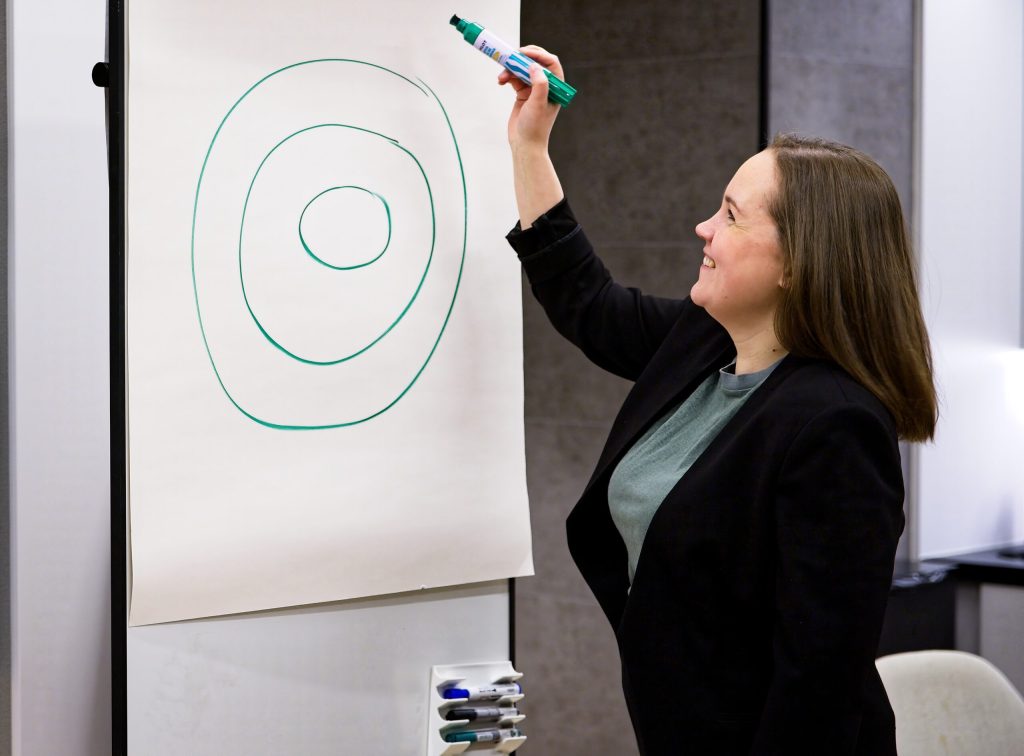
How do objectives, responsibilities, rhythm and monitoring form a whole that enables systematic progress?
Käytämme evästeitä sivuston käyttökokemuksen parantamiseksi. Tietoja tietojesi käytöstä löydät tietosuojaselosteestamme.
Toiminnallisia evästeitä käytetään sivuston toimintojen toimivuuden varmistamiseksi, sekä käyttökokemuksen kehittämiseksi.
Keräämme tilastotietoja sivuston käytöstä sivuston kehittämistä varten. Tietoihin kuuluvat mm. kävijämäärät ja vierailun kesto. Yksittäisiä käyttäjiä ei voida tunnistaa evästeiden perusteella.
Markkinointievästeet mahdollistavat mainosten näyttämisen muilla verkkosivuilla sivustovierailujesi perusteella.