Change is a planned and managed transition from the status quo to the target state, with people, structures and policies moving in the same direction. It requires clear direction, constant interaction and the ability to ensure that decisions are translated into concrete action in everyday life.

Business environments are volatile, uncertain, complex and unclear. The environment is subject to sudden, rapid and unpredictable changes, the information available in many situations is limited, there are many interacting variables, and the cause and effect relationships between situations can be ambiguous and unclear. In such an environment, change, both external and internal, is commonplace and the ability to adapt and successfully implement the required changes is the lifeblood of organisations.
Leading through change is about leadership. Leadership of plans, communication and action. Celebrating successes, learning from mistakes, changing course and addressing deviations. At More Than, we believe that change is not a curse word that inevitably raises quirky eyebrows, but an inspiring challenge that offers growth opportunities for organisations and individuals alike.
In most cases, we help our clients with different aspects of change:
If possible, implement changes in a planned and systematic way
If you are going to make a change, plan it carefully, communicate it often and systematically, and take the time to change your ways.
Change is an essential part of a company's development and success. Planning and implementing change is a critical part of an organisation's ability to adapt to a changing environment, remain competitive and achieve its objectives.
These five steps are one presentation of how to plan and implement change so that it is more likely to succeed. In practice, planning for change requires an analysis of current and future needs and organisational objectives, while implementation requires a commitment to putting plans into practice, resource management, communication and adapting management processes to deliver change.
We help companies plan and implement the changes they need efficiently and effectively. If you have a change in mind and would like to discuss it with an expert, contact us!

The old adage ’well planned is half done’ does not apply to change, because no plan is ever implemented as it stands - there are always variables and unexpected factors for which you have not been prepared. The purpose of a good plan is to have a clearly defined target state in case of variables, towards which you will move with varying policies, taking into account the circumstances.
When planning a change, you need to answer questions such as:
The list could go on and on, but the core message is clear: change is a whole, and it is more likely to happen when there is a clear picture and planned steps for implementation.
We help our clients build plans to achieve different types and sizes of change in their organisation. The key thing to remember is that ”lasting change” comes from changing people's habits and culture, and that takes time and repetition.
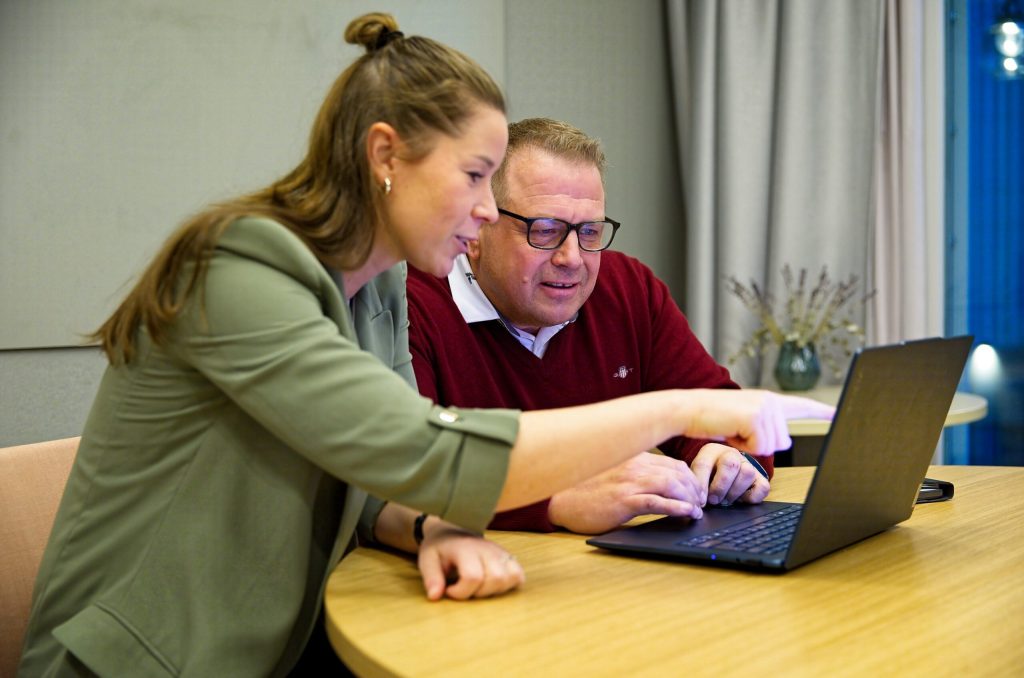
How are changes designed and implemented so that they become part of everyday life?
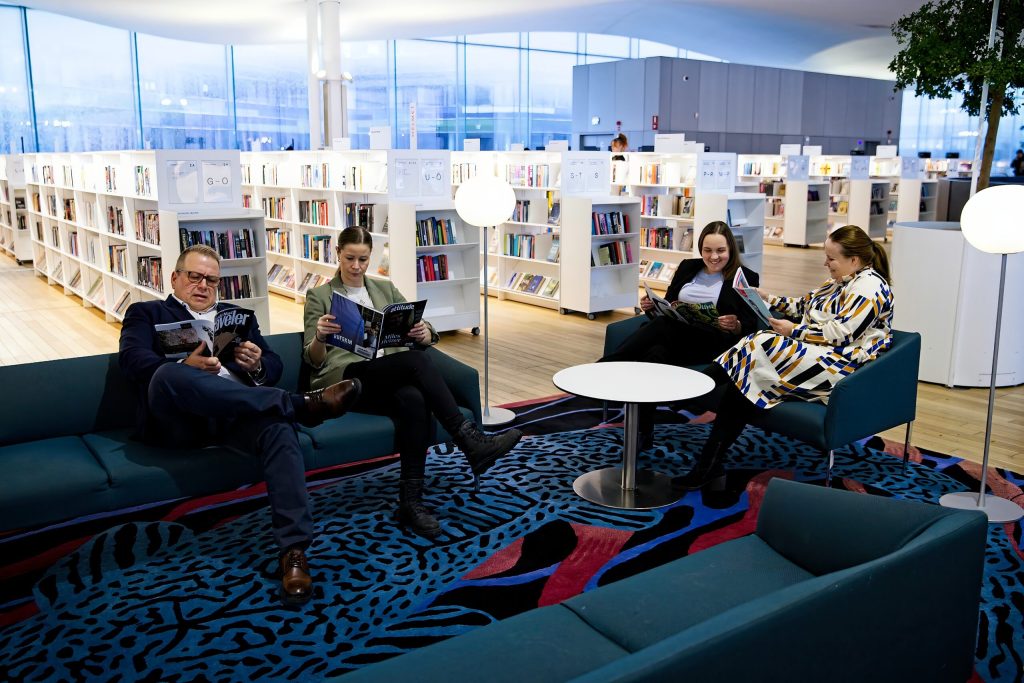
How do your behaviour, policies and climate support your goals, even under pressure?
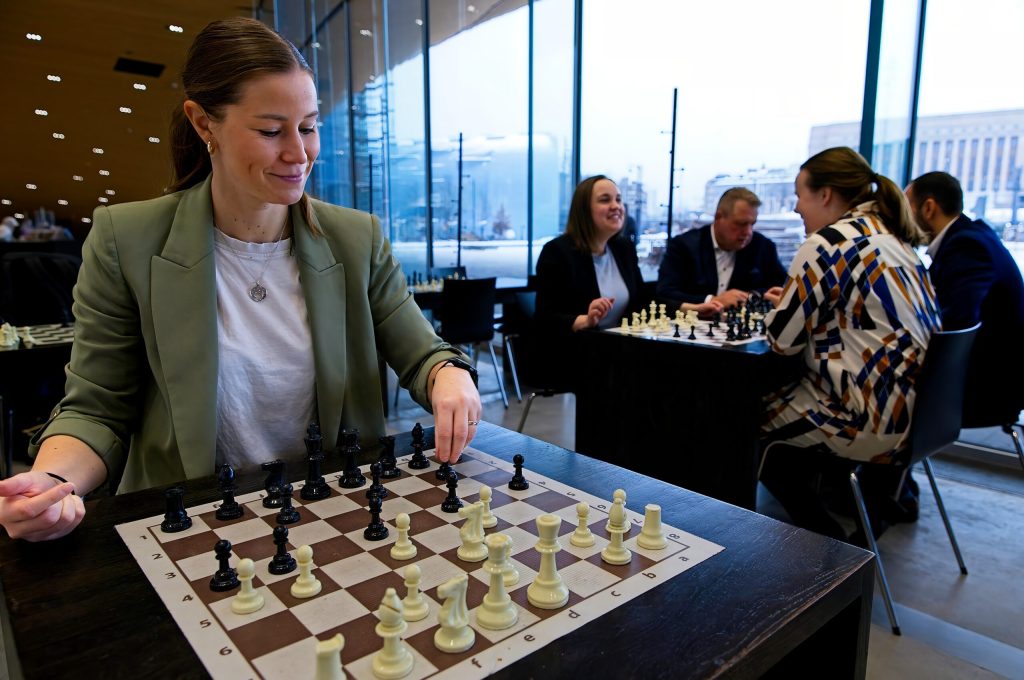
How current and future competences are linked to the organisation's objectives and reflected in
as a better thing to do?
How do objectives, responsibilities, rhythm and monitoring form a whole that enables systematic progress?
Käytämme evästeitä sivuston käyttökokemuksen parantamiseksi. Tietoja tietojesi käytöstä löydät tietosuojaselosteestamme.
Toiminnallisia evästeitä käytetään sivuston toimintojen toimivuuden varmistamiseksi, sekä käyttökokemuksen kehittämiseksi.
Keräämme tilastotietoja sivuston käytöstä sivuston kehittämistä varten. Tietoihin kuuluvat mm. kävijämäärät ja vierailun kesto. Yksittäisiä käyttäjiä ei voida tunnistaa evästeiden perusteella.
Markkinointievästeet mahdollistavat mainosten näyttämisen muilla verkkosivuilla sivustovierailujesi perusteella.