The competence of an organisation is not only reflected in the skills of individuals, but in how people work together. Workplace skills largely determine how smooth everyday life is, how quickly things move and how stressful work is perceived to be.
In many organisations, people are skilled, motivated and committed, but everyday life is still hard. Time is taken up with meetings, messages and sorting things out. Collaboration stalls, decisions are delayed and misunderstandings are a burden.
In this case, the problem is not a lack of skills, but a lack of common approaches.
How does cooperation between different roles and teams work?
How do you communicate?
How are decisions made and implemented?
It is not about the personality of individuals, but about common practices. Workplace competences are the result of building and reinforcing models of behaviour within an organisation.
Good teamwork skills make things run smoothly. Poor skills make it hard.
Typical challenges in workplace skills
In our work with clients, we often encounter the following situations:
Time use is fragmented by constant interruptions.
There are too many meetings or they do not produce decisions.
Communication is fragmented or unclear.
Decisions are avoided or postponed.
Responsibilities remain unclear.
Cooperation is fragmenting.
In these situations, people work hard, but the impact is weak.
How can we help you develop your workplace skills?
More Than Group helps organisations build workplace skills that support focus, collaboration and decision-making.
We approach workplace skills as a whole, combining structures, leadership and individual performance.
We develop time and work management
We help you identify where your time is actually spent and how to use it more effectively.
For example, we focus on:
Prioritising work
Managing interruptions
To support concentration
Rhythm of work and recovery
We build good working partnerships
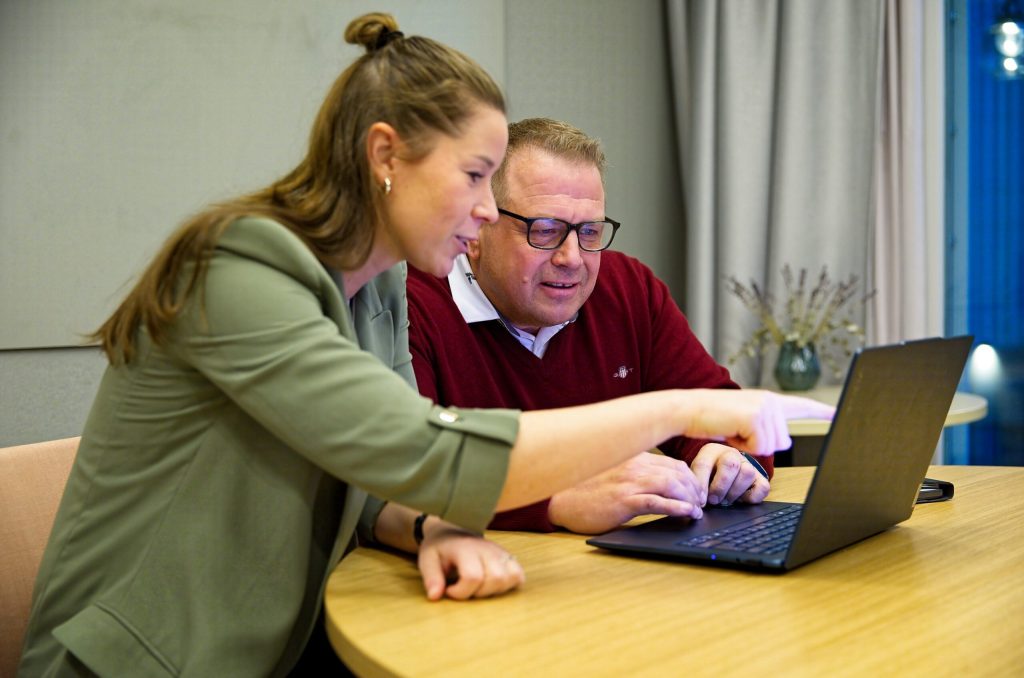
We support organisations to create clear models for collaboration across teams and units.
Among other things, we work on:
To clarify roles and interactions
To improve cooperation processes
Building common ground rules
Strengthening targeted communication
We help develop communication that supports action and decision-making.
The focus is on:
Communicating the essentials
Choosing the right channel
Clear division of responsibilities in communication
Accessibility of information
Developing decision-making skills in everyday life
We support organisations to build decision-making that is smooth and bold.
For example, we work on:
With decision-making models
Preparation and decision on separation
Strengthening the implementation of decisions
Workplace skills ensure efficiency
Good workplace skills are not about pleasing people or seeking compromises. They mean the ability to work together in a goal-oriented, clear and constructive way.
When time management, collaboration, communication and decision-making work, the whole organisation's ability to deliver is strengthened.
More Than Group helps develop workplace skills that support results, resilience and renewal.
How do objectives, responsibilities, rhythm and monitoring form a whole that enables systematic progress?
Käytämme evästeitä verkkosivuillamme
Käytämme evästeitä sivuston käyttökokemuksen parantamiseksi. Tietoja tietojesi käytöstä löydät tietosuojaselosteestamme.
Toiminnalliset evästeetKäytössä
Toiminnallisia evästeitä käytetään sivuston toimintojen toimivuuden varmistamiseksi, sekä käyttökokemuksen kehittämiseksi.
Tilastoevästeet
Keräämme tilastotietoja sivuston käytöstä sivuston kehittämistä varten. Tietoihin kuuluvat mm. kävijämäärät ja vierailun kesto. Yksittäisiä käyttäjiä ei voida tunnistaa evästeiden perusteella.
Markkinointievästeet
Markkinointievästeet mahdollistavat mainosten näyttämisen muilla verkkosivuilla sivustovierailujesi perusteella.