We must make room for the future, even in the midst of everyday life
The development of the Technology Industries of Finland’s foresight capabilities has progressed towards collaborative work in the face of future changes. This work not only builds a better understanding of the operating environment, but also establishes shared approaches to identifying, interpreting and utilising these changes in decision-making.
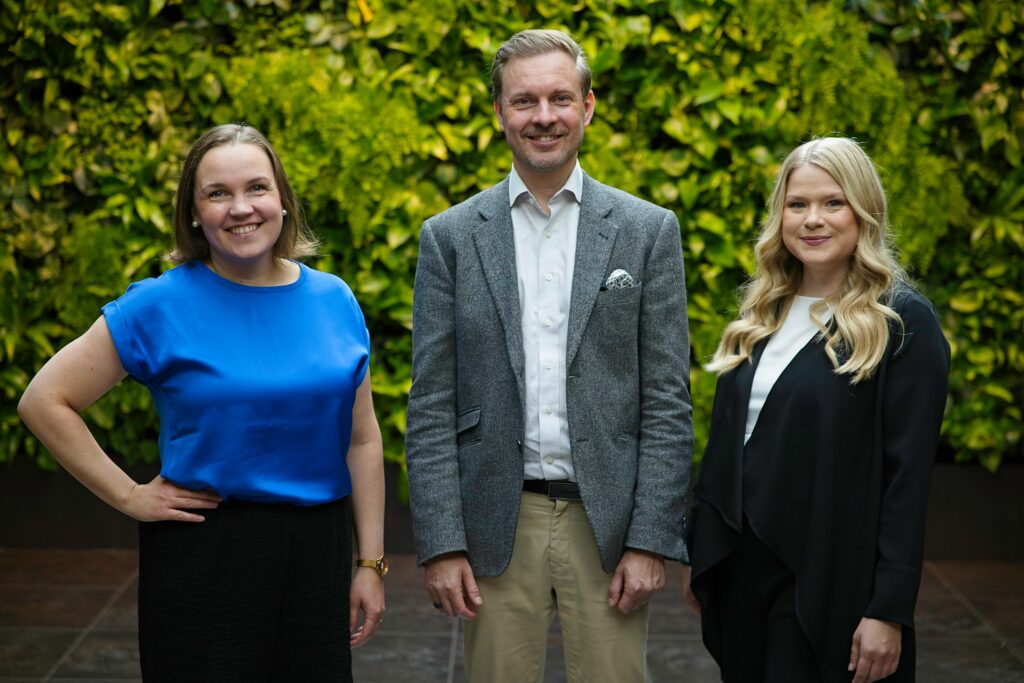
Technology Industries of Finland launched a collaboration in the summer More Than Strategy’s and Futures Platform in conjunction with the organisation and the sector forecasting capability to reinforce this. The aim of the work is to develop a systematic approach to identifying changes in the operating environment, understanding their significance for the technology industry and linking foresight even more closely involved in the decision-making process.
The work has now reached a stage where future trends and foresight practices have been developed in collaboration with a wider group of experts from the technology industry.
One observation that has become clear whilst working on this sounds simple: We must make room for the future.
In day-to-day work, attention is inevitably focused on immediate issues and matters that require a quick resolution. As a result, longer-term changes, uncertainties and alternative courses of action are easily overlooked. Foresight provides a framework for us to pause and consider these matters together.
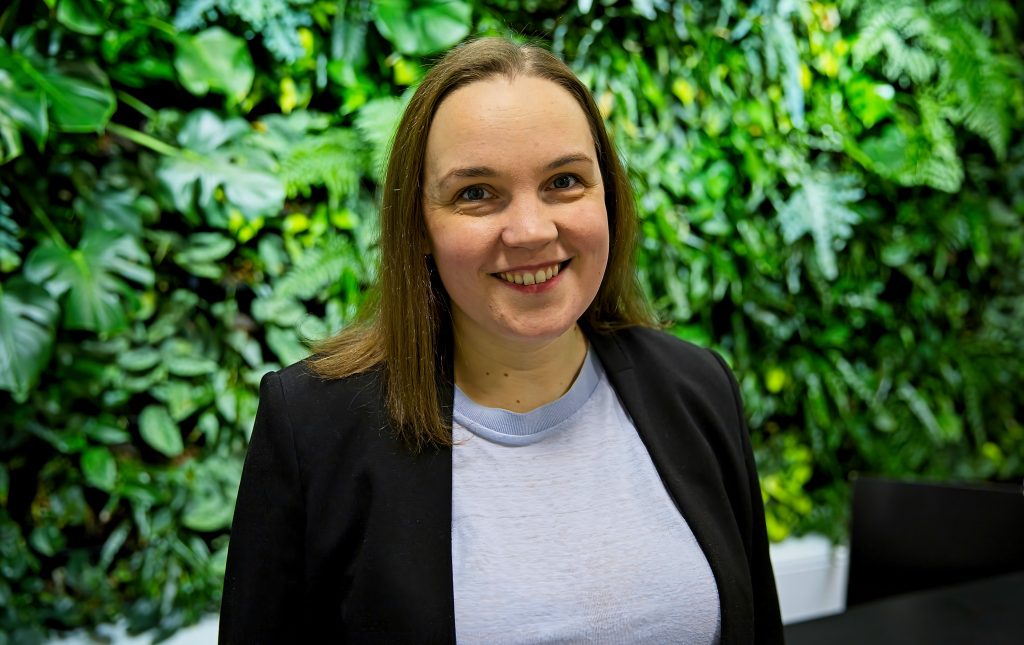
”One of the most important tasks of foresight work is to create space for discussion that might not otherwise take place in everyday life. When we pause together to reflect on various trends and uncertainties, we may notice things that might not necessarily come to light when viewed from within our own work or sector.”, Managing Director of More Than Strategy Sointu Kouki picture.
Foresight begins with observations, but value is created through shared interpretation
Foresight is not merely about gathering data on phenomena and signals. What is essential is to interpret, together, what changes in the operating environment might mean and what questions they raise.
The technology industry’s first foresight workshop examined a wide range of phenomena that could transform the sector’s operating environment in the coming years. Discussions centred, for example, on the strategic importance of data and digital infrastructure, geopolitical instability and competition between major powers, Europe’s competitiveness, and changes to energy and resource systems. The discussion also touched upon more long-term and uncertain issues. What, for example, might the development of quantum computing, humanoid robots or 6G mean for the technology industry? How will Europe’s pursuit of digital sovereignty change the operating environment for businesses? And how will critical raw materials, changing global supply chains or technological competition between major powers affect Finnish companies?
The aim is not to find a single correct answer to the question of what the future will look like. What is more important is to recognise, what changes might be significant, and what alternative trajectories might emerge around them.
At the same time, a joint discussion helps to challenge assumptions. Are the scenarios we currently regard as most likely really the only possible courses of development? What changes might take us by surprise? And what sort of questions will the future raise that we do not yet ask in our day-to-day work?
The ability to anticipate is more than just knowledge of the future
In our work with the technology industry, foresight is viewed as a holistic concept. Merely gathering information about the future or monitoring the operating environment does not, in itself, constitute an organisation’s foresight capability.
Effective foresight also requires a shared understanding of what foresight aims to achieve, the methods used to monitor and interpret changes, and how the information produced is channelled through the organisation to inform decision-making. At the same time, expertise and a commitment to ensuring that foresight information is actually utilised are required.
The model, which is being developed in collaboration with the technology industry, therefore examines a number of interrelated areas: the objectives, methods and tools of foresight work; the foresight process; the outputs; and foresight expertise.
Capabilities are built through joint development and definition. The aim, therefore, is not to turn foresight into a process that is detached from the organisation’s other activities. Alongside the work of a smaller core group, a wider group of experts from the technology industry takes part in training sessions and workshops, where future trends are interpreted collectively whilst at the same time developing the ability to utilise foresight in their own work.
From a shared vision of the future to action
Work to develop the technology industry’s foresight capabilities is continuing. The vision formed through the future roadmap and collaborative work is being refined, whilst at the same time practices are being established to enable changes in the operating environment to be monitored, interpret and utilise them systematically in the future as well.
“A future map gives decision-makers a head start. It allows them to see in good time which changes will affect the matter at hand. It also helps to understand in concrete terms whether a policy would remain viable if the operating environment were to develop differently from what we currently anticipate.”, says the Head of Foresight at Futures Platform Marianna Mäki-Teeri.
The aim is not to construct a fixed picture of the future. The future is constantly changing, and our foresight and understanding must also evolve in step with it.
Instead, the aim is to strengthen the ability to spot changes early enough, examine them from multiple perspectives and discuss their potential impacts. When this kind of approach becomes an integral part of an organisation’s operations, foresight can help not only to prepare for change and identify new opportunities, but also to shape the desired future.
Previous publication On the launch of the collaboration on the project to develop foresight capabilities:
The Technology Industry Association is launching a project to develop foresight capabilities in collaboration with More Than Strategy and the Futures Platform