
Case grenke: Supporting strategy implementation and developing corporate culture

”Managers have gained practical experience in implementing the strategy. Now everyone is keen to put what they have learnt into practice and put the strategy into action.”

Malin Miettinen, Head of HR, Grenkeleasing Oy

When grenke’s new strategy was finalised in early 2026, the company identified the following issue to be addressed: how can the strategy be translated from a plan into the day-to-day work of the entire workforce via line managers? As the collaboration progressed, the focus broadened from strategy implementation to corporate culture and communication.

”We were stuck on how to roll out the strategy to staff via line managers. After that, other needs emerged that we identified along the way, and we continued our collaboration from different angles,” explains grenke’s Head of HR Malin Miettinen.

The original aim of the collaboration was to provide line managers with practical tools for implementing the strategy. The company wanted to understand what implementation would require of management and line managers, and how the strategy work would be put into practice. The programme was carried out between April and September 2026 and included training for line managers, a cultural workshop and communication coaching.
Subscriber

Grenkeleasing Oy

Our role

Support for the implementation of the strategy and the development of corporate culture

The implementation of the strategy brought to light a deeper cultural issue

It quickly became apparent during the course of the work that this was not merely a matter of implementing a strategy. A clear discrepancy was observed between the company’s written culture and the culture that actually prevailed in day-to-day operations. To identify this, a cultural analysis was carried out, the results of which made it possible to examine the organisation’s current situation with the support of an external facilitator.

”An impartial and honest analysis of the culture was extremely valuable. Otherwise, we would have been too blind to our own actions,” says Malin.

One of the concrete findings of the analysis concerned trust. Trust had been defined as one of the company’s values, but the analysis revealed that this was precisely the area where there was considerable room for improvement. This finding highlighted the fact that a value set out on paper does not automatically mean that it is realised in the day-to-day lives of staff.

At the same time, another finding emerged, one that came as a surprise to grenke. The different communication styles of the management team influenced how staff perceived the corporate culture and strategy.

”We were prepared for many cultural differences, but the impact of the management’s different communication styles came as a surprise to us,” Malin explains.

Difficult work forced a rethink, in a good way

According to grenke, working with Meral and Joshua at More Than Group was straightforward: issues were not sugar-coated, but were dealt with exactly as they emerged in the analysis and discussions.

What stood out in particular was the way the results of the cultural analysis were discussed and how culture was distilled into behavioural commitments. The first answer was not automatically accepted as the final result; instead, the ideas were refined over several rounds.

”It wasn’t easy. It was hard in a good way. We did three rounds before we were happy with the result. It helped us to think outside the box,” says Malin.

The training days also actively challenged the participants. According to grenke, it was precisely this external challenge that was needed in order to examine one’s own ways of working with sufficient honesty. Objectives were set for each session, and, based on grenke’s own experience and the feedback received from the participants, these objectives were successfully achieved.

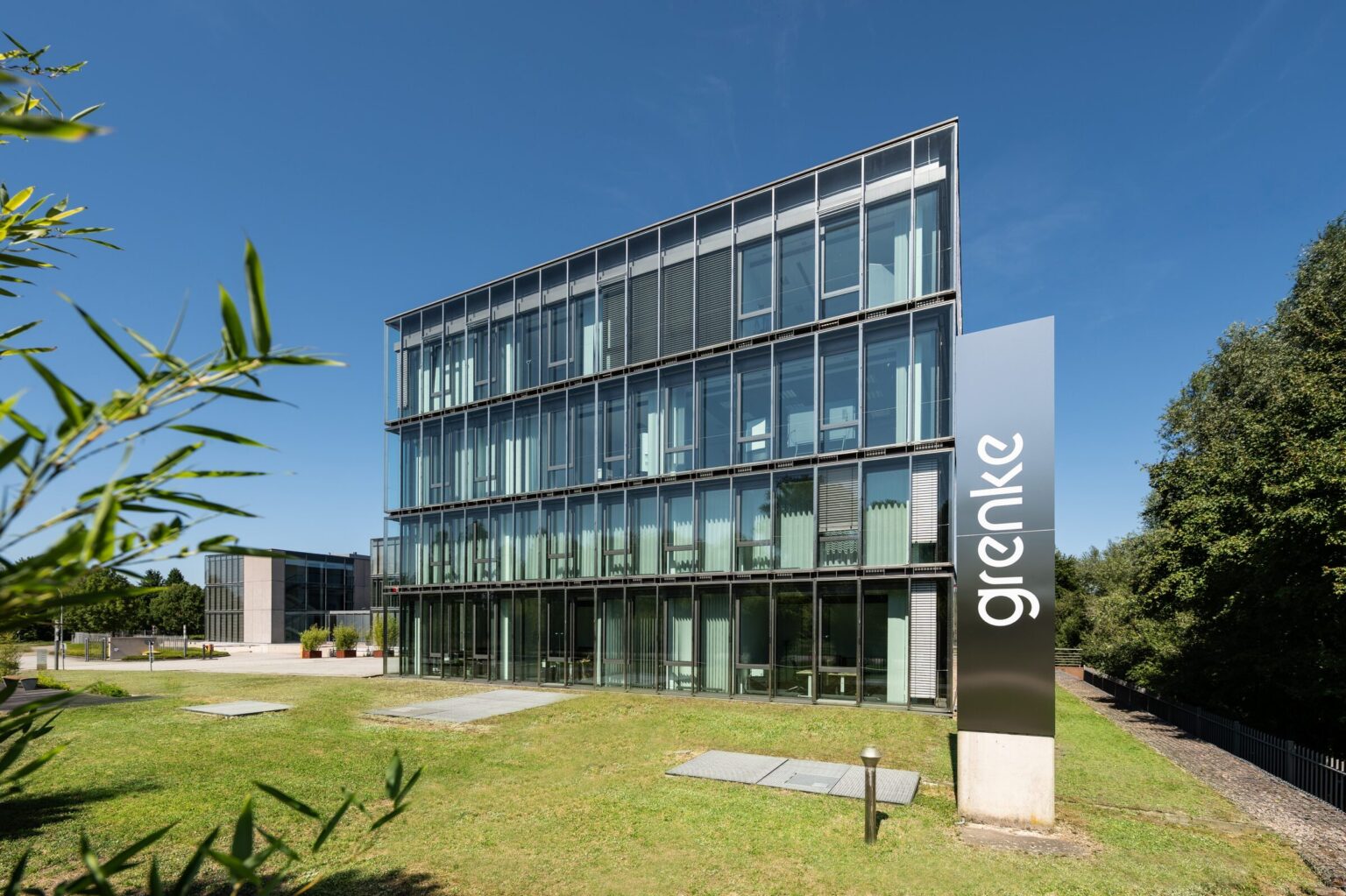
grenke’s head office in Baden-Baden
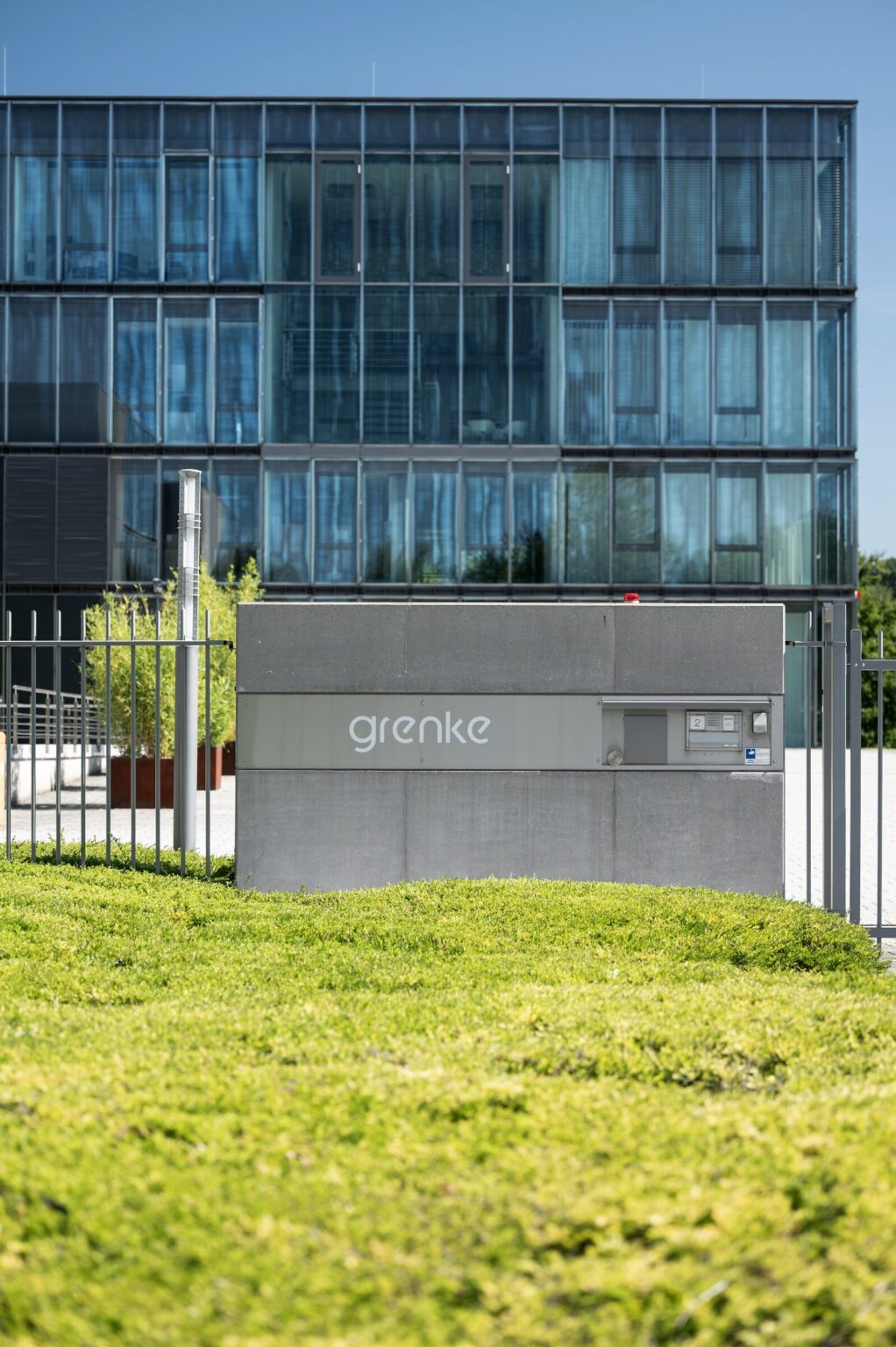
the entrance to grenke’s head office

The uncertainty felt by line managers gave way to a desire to take action

The most noticeable change in the collaboration was in the line managers’ attitude towards the implementation of the strategy. Initially, they had been uncertain about how the strategy should be put into practice and needed support with the task. According to grenke, following the training sessions, the line managers had greater confidence and a proactive desire to put what they had learnt into practice.

”Managers have gained practical experience in implementing the strategy. Now everyone is keen to put what they’ve learnt into practice and put the strategy into action,” Malin sums up.

The cultural work also strengthened the commitment of the group involved in the project. The cultural working group had already existed prior to the collaboration, but working together with an impartial facilitator helped the participants to commit to cultural development in a new way. According to Malin’s assessment, a similar outcome would not have been achieved had the work been carried out entirely in-house.

As the collaboration drew to a close, Malin was left with the feeling that the agreed work had been brought to a natural conclusion and that the organisation was well-equipped to carry on independently. She sums up the final joint meeting as follows: ”We were all on the same page and realised that our journey together had come to an end at this point. Now we feel that we’ve been given the tools we need to move forward. That’s invaluable.”

”I recommend this to companies that genuinely want to foster their corporate culture”

Malin particularly recommends this collaboration to organisations that wish to build, define or maintain their corporate culture. According to her, this approach is suitable for companies that are prepared to take an honest look at their current situation, even when the findings that emerge are not easy to face.

”I highly recommend this service, particularly for building, articulating and maintaining corporate culture. I recommend working with them to companies that haven’t yet articulated their culture or that genuinely want to promote cultural initiatives. I’d also recommend it to those who aren’t afraid to face the reality of the situation. Things aren’t sugar-coated, so you have to be able to accept the facts.”

Photos: Silas Stein / picture alliance/dpa, © GRENKE AG

Do you want Discuss more?

In addition to the references described above, we have carried out a number of different types of client projects, and we are happy to share the lessons learned with you.

Contact us to discuss further!